


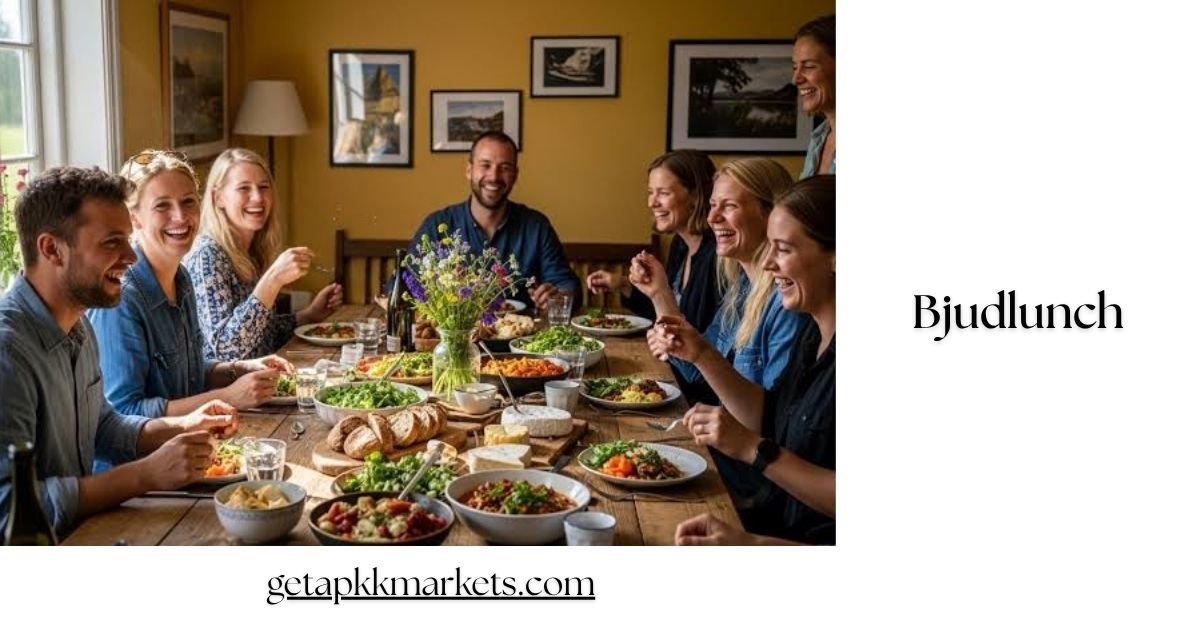
The word “bjudlunch” may not be familiar to many people in the United States, but it represents a meaningful tradition that reflects kindness, generosity, and relationship building. In today’s busy world, taking someone out for lunch and paying for the meal is more than just buying food. It is a simple way to show appreciation, strengthen friendships, build trust, and create lasting connections.
The term bjudlunch comes from the Swedish language. It combines the idea of inviting someone to lunch while also covering the cost of the meal. Unlike an ordinary lunch meeting where everyone pays for themselves, a bjudlunch carries a deeper meaning. It is an act of hospitality that shows respect and goodwill toward another person.
Whether you are meeting a close friend, welcoming a new employee, thanking a client, celebrating a milestone, or reconnecting with family members, a bjudlunch creates an atmosphere where conversations become more meaningful and relationships become stronger.
Today, the idea of bjudlunch is becoming increasingly relevant across cultures. Companies use sponsored lunches to improve teamwork. Friends use them to celebrate achievements. Families use them to reconnect. Communities use them to welcome newcomers. Although the word itself is Swedish, the practice has universal appeal.
This guide explains everything you need to know about bjudlunch, including its meaning, history, etiquette, cultural value, modern applications, benefits, and practical tips for hosting the perfect invited lunch.
What Does Bjudlunch Mean?
Bjudlunch literally translates to “invited lunch” or “treat lunch.”
The word comes from two Swedish words:
- “Bjuda” means to invite or treat someone.
- “Lunch” means lunch.
When combined, bjudlunch refers to inviting another person to lunch while paying for the meal yourself.
The focus is not on the price of the food. Instead, the focus is on generosity, appreciation, friendship, and creating a pleasant shared experience.
Unlike simply saying “Let’s have lunch,” saying someone is invited to a bjudlunch clearly communicates that the host intends to pay for everyone they invited.

This small gesture removes any uncertainty about the bill and allows everyone to focus on enjoying the conversation.
How to Pronounce Bjudlunch
Most English speakers pronounce it approximately as:
Byood-loonsh
The pronunciation may vary slightly depending on regional Swedish accents, but this version is commonly understood by English speakers learning the term.
The Origin of Bjudlunch
Bjudlunch has its roots in Swedish hospitality traditions.
In Scandinavian countries, hospitality has always been an important social value. Inviting someone to your home or taking them out for a meal demonstrates respect, trust, and appreciation.
Historically, sharing food represented cooperation within communities. Farmers, neighbors, relatives, and coworkers often gathered over meals to strengthen social bonds.
As modern workplaces developed, this tradition naturally expanded into restaurants, cafés, and business environments.
Also Read: Messagenal: The Clear, Structured, and Effective Communication in the Digital Age
Today, Swedish companies frequently organize bjudlunch events to:
- Welcome new employees
- Celebrate successful projects
- Build stronger teams
- Meet business partners
- Thank loyal customers
The practice continues because people recognize that meaningful conversations often happen around a shared meal.
Why Bjudlunch Is More Than a Free Meal
Some people mistakenly think bjudlunch simply means getting free food.
In reality, the meal itself is only one small part of the experience.
The real purpose includes:
- Building trust
- Showing appreciation
- Creating stronger relationships
- Encouraging honest conversations
- Making guests feel welcome
- Expressing gratitude
- Celebrating achievements
- Supporting collaboration
Because of these deeper purposes, many organizations consider hosting occasional bjudlunch events a valuable investment rather than an expense.
The Core Values Behind Bjudlunch
Several important values make bjudlunch meaningful.
Generosity
Paying for someone else’s meal is a simple but memorable act of kindness.
Even an inexpensive lunch can communicate genuine appreciation.
Hospitality
Guests feel welcomed when they do not need to worry about paying.
This creates a relaxed atmosphere where conversations flow naturally.
Respect
Inviting someone to lunch shows that you value their time and company.
This respect often strengthens personal and professional relationships.
Gratitude
Many people organize a bjudlunch specifically to thank someone.
Examples include thanking:
- Employees
- Teachers
- Mentors
- Customers
- Friends
- Volunteers
- Family members
A sincere lunch invitation often feels more personal than sending a gift.
Why Bjudlunch Is Becoming Popular Worldwide
Although the word originated in Sweden, similar customs exist across many cultures.
People everywhere understand the importance of sharing meals together.
Global businesses increasingly recognize that lunches create opportunities for:
- Team bonding
- Networking
- Client retention
- Employee recognition
- Informal problem solving
Remote work has even increased the value of in-person lunches because face-to-face interactions have become less common.
Many international companies now schedule regular team lunches inspired by similar hospitality traditions.
Personal Benefits of Hosting a Bjudlunch
Hosting a bjudlunch offers benefits that extend beyond the meal itself.
Stronger Friendships
Inviting someone to lunch demonstrates that you enjoy spending time with them.
Over time, these shared experiences strengthen friendships.
Better Communication
Lunch provides a relaxed environment where people communicate more openly than they often do in formal meetings.
This helps reduce misunderstandings.
Improved Mental Well-Being
Sharing meals helps reduce feelings of loneliness.
People often leave a pleasant lunch feeling happier and more connected.
Lasting Memories
Many memorable conversations happen during simple lunches.
Years later, people often remember the experience more than the restaurant itself.
Professional Benefits of Bjudlunch
Businesses increasingly recognize the value of hosting invited lunches.
Building Client Relationships
Clients appreciate genuine hospitality.
Rather than discussing business immediately, lunch creates an opportunity to develop trust first.
Strong relationships often lead to long-term partnerships.
Employee Appreciation
Recognizing employees through a hosted lunch can improve morale.
Workers feel valued when employers invest time in celebrating their contributions.
Also Read: Insnoop: The Private Instagram Story Viewing, Safety, Features, and Online Privacy
Networking Opportunities
Industry professionals frequently organize lunch meetings to exchange ideas.
Because lunch feels less formal than boardroom meetings, conversations often become more productive.
Recruitment
Many hiring managers invite candidates to lunch.
This allows both parties to interact in a comfortable setting outside traditional interviews.
Family Uses of Bjudlunch
Families can also enjoy the tradition.
Parents might invite adult children for lunch simply to spend quality time together.
Grandparents often host family lunches to celebrate birthdays or anniversaries.
Siblings reconnect over lunch after months apart.
These shared meals strengthen family relationships without requiring elaborate celebrations.
Friendships and Social Gatherings
Friends often use bjudlunch to celebrate:
- Graduations
- Promotions
- Birthdays
- New jobs
- Engagements
- Retirement
- Personal achievements
Unlike expensive dinners, lunch is affordable while still providing meaningful quality time.
Bjudlunch in the Workplace
Modern workplaces increasingly embrace lunch culture.
Examples include:
Welcome Lunches
New employees immediately feel included.
Project Celebrations
Completing an important project deserves recognition.
Lunch provides an excellent opportunity to celebrate success.
Farewell Lunches
Employees leaving a company often receive a hosted lunch where coworkers can express appreciation.
Holiday Lunches
Many organizations replace expensive evening events with relaxed lunchtime celebrations.
When Should You Host a Bjudlunch?
There is no perfect occasion.
However, common situations include:
- Saying thank you
- Welcoming someone
- Celebrating success
- Solving misunderstandings
- Meeting new clients
- Networking
- Reconnecting with old friends
- Family reunions
- Graduation celebrations
- Retirement recognition
Sometimes, no special reason is needed.
Simply wanting to spend time with someone is enough.
Choosing the Right Restaurant
The restaurant should match the purpose of the lunch.
For business meetings:
Choose a quiet restaurant where conversation is easy.
For family gatherings:
Pick a comfortable place with menu choices for everyone.
For close friends:
Select a casual restaurant everyone enjoys.
Luxury is not necessary.
Comfort and conversation matter much more.
How to Invite Someone to a Bjudlunch
The invitation should be clear and friendly.
Examples include:
“Would you like to join me for lunch? I’d love to treat you.”
“I’d like to thank you with lunch this Friday.”
“My treat. Let’s catch up over lunch.”
These invitations immediately communicate that the host intends to pay.
This avoids awkward moments when the bill arrives.
Who Usually Pays?
Traditionally, the person extending the invitation pays.
If you specifically invite someone for a bjudlunch, paying for the meal is considered part of the invitation.
If the guest insists on contributing, the host may politely decline once or twice.
If the guest strongly prefers sharing the bill, respecting their wishes is also appropriate.
The main purpose is maintaining goodwill rather than strictly following rules.
The Psychology Behind Sharing Meals
Researchers have long observed that eating together encourages stronger social connections.
People tend to relax during meals.
This relaxed atmosphere often leads to:
- Greater trust
- Better listening
- More honest conversations
- Increased cooperation
- Improved emotional connection
That is one reason why many important conversations happen around dining tables rather than conference rooms.
Bjudlunch Etiquette: Best Practices Every Host Should Know
A successful bjudlunch is about much more than paying the bill. Good etiquette helps everyone feel comfortable and respected. Whether you are inviting a coworker, a client, a family member, or a close friend, following a few simple guidelines can make the experience enjoyable.
Send the Invitation Early
If possible, invite your guest several days in advance. This gives them enough time to adjust their schedule and shows that you value their time.
For casual lunches with friends, a shorter notice may be acceptable, but business lunches usually require more planning.
Choose a Convenient Time
Lunch typically falls between 11:30 a.m. and 1:30 p.m. Choose a time that works well for both parties. Avoid scheduling during unusually busy hours if you expect to have an important conversation.
Consider Dietary Preferences
A thoughtful host asks about food allergies, dietary restrictions, or personal preferences before selecting a restaurant.
Some common considerations include:
- Vegetarian meals
- Vegan options
- Gluten-free dishes
- Halal or kosher meals
- Food allergies
Making your guest comfortable demonstrates genuine hospitality.
Arrive on Time
Punctuality shows respect. Arriving a few minutes early allows you to welcome your guest without making them wait.
Focus on the Guest
One of the most important parts of a bjudlunch is giving your attention to the person you invited.
Keep your phone away unless there is an emergency. Listen actively and encourage meaningful conversation.
Handle the Bill Gracefully
When the meal ends, quietly ask for the bill without making a big announcement. Since the purpose of a bjudlunch is to treat your guest, paying should feel natural rather than dramatic.
Planning the Perfect Bjudlunch
Although a bjudlunch can be spontaneous, a little planning often creates a better experience.
Also Read: Smoothiepussit: The Healthy, Portable Smoothie Pouches for Everyday Nutrition
Step 1: Define the Purpose
Ask yourself why you are hosting the lunch.
Possible reasons include:
- Celebrating success
- Building a relationship
- Saying thank you
- Welcoming someone
- Networking
- Solving a problem
Knowing the purpose helps guide the conversation.
Step 2: Choose the Right Venue
Look for a restaurant that offers:
- Comfortable seating
- Good service
- Reasonable prices
- A quiet atmosphere
- Menu variety
- Easy parking or transportation
The restaurant should support conversation rather than distract from it.
Step 3: Make a Reservation
Popular restaurants often become crowded during lunch hours.
A reservation saves time and helps create a smoother experience.
Step 4: Prepare Conversation Topics
Especially for business lunches, it helps to think about a few discussion points in advance.
Natural conversations usually work better than overly formal agendas.
Conversation Tips During a Bjudlunch
The quality of the conversation often determines whether the lunch becomes memorable.
Good topics include:
- Career goals
- Travel experiences
- Family updates
- Shared interests
- Future opportunities
- Hobbies
- Books
- Sports
- Community events
Avoid highly controversial subjects unless you know your guest is comfortable discussing them.
The goal is to create an enjoyable atmosphere where everyone feels respected.
Common Mistakes to Avoid
Even experienced hosts sometimes make avoidable mistakes.
Choosing an Expensive Restaurant Without Reason
Luxury restaurants are not always necessary.
Many guests appreciate comfort more than extravagance.
Talking Only About Yourself
A successful bjudlunch involves balanced conversation.
Ask questions and show genuine interest in your guest.
Turning the Lunch Into a Sales Pitch
If your guest feels they were invited only to hear a sales presentation, the experience may feel uncomfortable.
Build relationships first. Business opportunities often follow naturally.
Ignoring Dietary Needs
Choosing a restaurant without considering your guest’s dietary preferences can create unnecessary stress.
Rushing the Meal
Leave enough time to enjoy the lunch without constantly checking the clock.
Relaxed conversations often produce the best results.
Bjudlunch in Modern Business Culture
The workplace continues to evolve, but shared meals remain valuable.
Companies now use bjudlunch events in creative ways.
Employee Recognition
Managers often thank employees with lunch after completing important projects.
Recognition increases motivation and job satisfaction.
Team Building
Departments sometimes organize monthly lunches where coworkers can connect outside formal meetings.
These gatherings strengthen teamwork.
Client Appreciation
Rather than sending expensive gifts, many businesses invite clients to lunch.
The shared experience often creates stronger relationships than material gifts.
Mentorship
Experienced professionals frequently invite younger colleagues to lunch to share advice and career guidance.
This informal setting encourages honest questions and meaningful learning.
Virtual Bjudlunch
As remote work has grown, the idea of a virtual bjudlunch has become more common.
In this format, the host pays for the guest’s meal through a food delivery service while both participants meet online.
Although they are not sitting at the same table, they still share a meal and conversation.
Virtual bjudlunch events help maintain relationships across different cities and countries.
Bjudlunch Around the World
Many cultures have traditions similar to bjudlunch.
In the United States, treating someone to lunch is often a way to celebrate, network, or express appreciation.
In Japan, hospitality emphasizes respect and thoughtful service.
In Italy, long lunches often strengthen family and business relationships.
In France, meals are valued as opportunities for conversation and connection.
Although customs differ, the underlying idea is remarkably similar: sharing food helps bring people together.
Why Shared Meals Build Stronger Relationships
People naturally become more comfortable while eating together.
A meal creates a relaxed environment where conversations feel less formal.
Researchers studying workplace relationships have found that informal social interactions often improve collaboration, trust, and communication.
A simple lunch can sometimes accomplish more than several formal meetings.
The Role of Bjudlunch in Networking
Networking does not always happen at conferences.
Many valuable professional relationships begin over lunch.
Benefits include:
- Better first impressions
- More relaxed discussions
- Increased trust
- Easier collaboration
- Stronger long-term partnerships
Instead of immediately discussing business, successful professionals often spend time getting to know each other first.
Budget-Friendly Bjudlunch Ideas
Hosting a thoughtful lunch does not require a large budget.
Affordable ideas include:
- Local cafés
- Family-owned restaurants
- Sandwich shops
- Food halls
- Picnic lunches
- Campus dining centers
- Community cafés
The quality of the conversation matters much more than the cost of the meal.
How Restaurants Benefit from Bjudlunch Culture
Restaurants also gain from this tradition.
When people regularly invite others to lunch, restaurants experience:
- Increased weekday traffic
- Higher customer loyalty
- More group reservations
- Positive word-of-mouth recommendations
- Greater repeat business
Some restaurants even create special lunch menus designed for business meetings and social gatherings.
The Future of Bjudlunch
As workplaces continue changing, bjudlunch is likely to remain relevant.
Also Read: Prizmatem: The Complete Guide to Building Memorable Brands Through Authentic Identity
Future trends may include:
- Hybrid lunch meetings
- Digital invitations
- Online scheduling
- Restaurant loyalty programs
- AI-assisted reservations
- Health-focused lunch menus
- Sustainable dining options
Despite technological advances, the basic idea will remain unchanged: sharing a meal creates meaningful human connections.
Expert Insights
One reason the idea of bjudlunch has lasted for generations is that it satisfies both practical and emotional needs.
From a practical perspective, lunch provides an opportunity to meet, discuss ideas, and celebrate milestones.
From an emotional perspective, inviting someone and paying for their meal communicates appreciation in a way that words alone sometimes cannot.
Unlike expensive gifts, a shared lunch creates a memory. People often remember the conversation, the laughter, and the time spent together long after they forget what they ordered.
That lasting emotional impact explains why bjudlunch continues to be valued in personal relationships, professional settings, and community life.
Frequently Asked Questions About Bjudlunch
Is bjudlunch only used in Sweden?
No. The word is Swedish, but the practice of inviting someone to lunch and paying for the meal exists in many countries around the world.
Does a bjudlunch have to be formal?
Not at all. It can be a casual lunch between friends, family members, coworkers, or neighbors.
Is a business lunch always considered a bjudlunch?
Only if one person or organization clearly invites the other and intends to pay for the meal.
Can a bjudlunch include several guests?
Yes. Many companies host group bjudlunch events for employees, customers, or business partners.
Is it acceptable to decline a bjudlunch invitation?
Yes. If you already have plans or cannot attend, politely thank the host and explain that you are unavailable.
Should guests bring a gift?
A gift is not expected. However, expressing sincere appreciation or sending a thank-you message afterward is always a thoughtful gesture.
Can students organize a bjudlunch?
Absolutely. Students often invite classmates or professors to lunch to celebrate achievements, discuss projects, or build friendships.
Is homemade food appropriate for a bjudlunch?
Yes. A home-cooked lunch can be even more personal than eating at a restaurant, provided the guest is comfortable with the arrangement.
How often should businesses host a bjudlunch?
There is no fixed rule. Some organizations hold monthly team lunches, while others organize them after important milestones or successful projects.
Can a virtual lunch still count as a bjudlunch?
Yes. If the host pays for the guest’s meal and both share the experience through a video call, it reflects the same spirit of generosity and connection.
Final Thoughts
Bjudlunch is much more than a Swedish word. It represents a timeless tradition of generosity, hospitality, and meaningful human connection. By inviting someone to lunch and covering the cost, the host sends a powerful message of appreciation, respect, and goodwill.
In today’s fast-moving world, where digital communication often replaces face-to-face interaction, a simple bjudlunch offers something technology cannot: genuine personal connection. Whether used in business, among friends, or within families, it creates opportunities to strengthen relationships, celebrate achievements, solve challenges, and build trust.
For professionals, a bjudlunch can open doors to long-term partnerships and successful collaborations. For families and friends, it provides valuable time to reconnect and create lasting memories. For communities, it reflects kindness and inclusiveness that bring people together.
As more people recognize the importance of meaningful relationships, the concept of bjudlunch is likely to continue growing beyond its Scandinavian roots. Its message is universal: sharing a meal is one of the simplest and most effective ways to show that someone matters.
Whether you are planning your first invited lunch or making bjudlunch a regular tradition, remember that the greatest value does not come from the restaurant or the menu. It comes from the conversation, the generosity, and the lasting connections built around the table.