


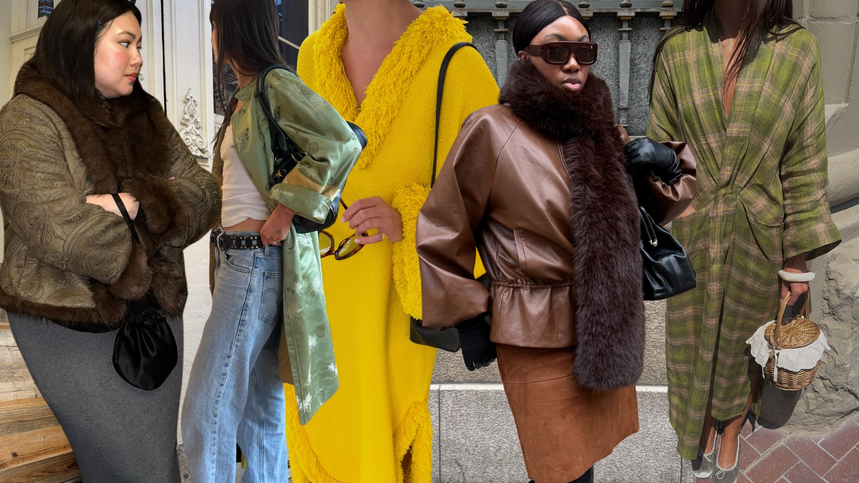
Improving your personal style is an excellent way to express your personality, build confidence, and feel comfortable in your everyday clothing. Personal style is not simply about following the latest fashion trends or purchasing expensive outfits. It is about understanding what suits you, choosing clothes that fit well, and creating combinations that reflect your preferences.
Everyone has a different body shape, lifestyle, budget, and fashion taste. Some people prefer casual streetwear, while others enjoy elegant, classic, or modern outfits. The key to improving your style is discovering what works for you and developing a wardrobe that feels authentic.
In this article, we will explore practical tips for improving your personal style and creating fashionable outfits with confidence.
1. Understand Your Personal Preferences
The first step toward improving your style is understanding your own fashion preferences. Think about the clothing colors, patterns, and outfit combinations you enjoy wearing.
Ask yourself a few questions:
- Do you prefer casual or formal clothing?
- Which colors do you wear most often?
- Do you feel comfortable in loose or fitted clothing?
- Which fashion styles inspire you?
You can explore fashion magazines, social media, and outfit inspiration to discover new ideas. However, choose styles that suit your personality instead of copying every trend.
Developing personal style takes time, so allow yourself to experiment.
2. Choose Clothes That Fit Well
The fit of your clothing can significantly influence how an outfit looks and feels. Even simple clothing can appear polished when it fits comfortably and complements your proportions.
Avoid choosing clothes only because they are fashionable. Pay attention to shoulder width, trouser length, sleeve length, and overall comfort.
Some useful tips include:
- Try clothes on before purchasing when possible.
- Choose sizes that allow comfortable movement.
- Consider tailoring for a better fit.
- Select silhouettes that you enjoy wearing.
A good fit does not mean every item must be tight or structured. Relaxed and oversized clothing can also create stylish outfits when balanced thoughtfully.
3. Build a Versatile Wardrobe
A versatile wardrobe makes it easier to create different outfits without purchasing new clothes constantly. Start with essential pieces that can be combined in multiple ways.
Useful wardrobe basics include:
- Plain T-shirts
- Comfortable jeans
- Neutral trousers
- A versatile jacket
- Comfortable sneakers
- A classic shirt
- Everyday accessories
Choose colors and designs that complement one another. Neutral shades such as black, white, navy, gray, and beige can make outfit coordination easier.
Once you have essential pieces, you can add distinctive items that reflect your personal taste.
4. Experiment with Colors
Colors can change the appearance and mood of an outfit. Learning which combinations you enjoy can help you develop a more confident personal style.
You can begin with simple combinations, such as:
- White and navy
- Black and gray
- Beige and brown
- Blue and white
- Green and neutral tones
You can also experiment with brighter colors through accessories, shirts, or jackets.
There are no universal color combinations that everyone must follow. Consider your preferences, the occasion, and how comfortable you feel wearing different shades.
5. Pay Attention to Accessories
Accessories can add personality and visual interest to an outfit. They also provide an easy way to experiment with different styles.
Common accessories include watches, belts, handbags, scarves, sunglasses, and jewelry.
For example, a simple outfit consisting of jeans and a T-shirt can look more polished when paired with a suitable watch and clean shoes.
Avoid adding too many accessories if they make the outfit feel uncomfortable or distracting. Choose pieces that complement your clothing and lifestyle.
6. Maintain Good Personal Grooming
Personal grooming is another part of presenting yourself confidently. Clean, well-maintained clothing and appropriate grooming habits can support a polished appearance.
Consider maintaining:
- Clean and well-kept hair
- Personal hygiene
- Neat clothing
- Clean shoes
- Appropriate grooming for your preferences
Your grooming routine does not need to be expensive or complicated. Consistency and cleanliness are more important than following every appearance trend.
7. Learn to Dress for Different Occasions
Personal style becomes more practical when you know how to choose outfits for different situations. Clothing suitable for work may differ from what you wear to a casual gathering or formal event.
For example:
Casual occasions: Jeans, a T-shirt, and sneakers.
Business settings: Tailored trousers, a shirt, and suitable footwear.
Formal events: A well-fitted formal outfit appropriate for the occasion.
Consider the dress code, weather, comfort, and activities involved. Dressing appropriately can help you feel more prepared and confident.
8. Take Inspiration from Fashion Trends
Fashion trends can introduce new ideas and encourage you to experiment with your wardrobe. You can explore seasonal colors, clothing silhouettes, fabrics, and styling techniques.
However, you do not need to adopt every trend. Instead, select elements that suit your existing wardrobe and personal preferences.
For example, if relaxed trousers become popular, you can try styling them with a fitted shirt or structured jacket if that combination feels comfortable.
The goal is to use fashion inspiration creatively while maintaining your individual identity.
9. Take Care of Your Clothing
Maintaining your clothes can help them remain attractive and usable for longer. Proper care also supports a more organized wardrobe.
Follow garment care instructions and consider the following habits:
- Wash clothes according to their care labels.
- Store clothing appropriately.
- Repair minor damage when practical.
- Clean shoes regularly.
- Fold or hang garments as suitable.
Well-maintained clothing can improve the overall appearance of your outfits, regardless of their price.
10. Develop Confidence in Your Style
Confidence is an important part of personal style. Wearing clothes that feel comfortable and reflect your preferences can help you feel more at ease.
Do not compare your appearance constantly with others. Everyone has different tastes, body types, budgets, and lifestyles.
Experiment with new combinations, learn from what works, and remember that personal style develops over time.
The most important thing is to feel comfortable and authentic in the clothing you choose.
Conclusion
Improving your personal style involves understanding your preferences, choosing well-fitting clothing, building a versatile wardrobe, and experimenting with colors and accessories. Grooming, clothing care, and dressing appropriately for different occasions can also support a polished appearance.
You do not need expensive clothing or constant trend updates to develop great personal style. Focus on creating outfits that suit your lifestyle, comfort, and personality.
Start with small changes, explore new combinations, and give yourself time to discover what works best. With consistent effort, you can build a personal style that feels natural, practical, and uniquely yours.