



In today’s fast-moving world, many people spend most of their time focusing on what is happening around them. They check notifications, manage work, solve daily problems, and interact with others from morning until night. While these activities are important, they often leave little time for understanding what is happening inside the mind and heart.
This is where antarvafna becomes meaningful.
Antarvafna is the practice of developing awareness within. It is the gentle process of observing your thoughts, recognizing your emotions, understanding your beliefs, and becoming more connected with your true self. Rather than reacting automatically to life’s challenges, antarvafna encourages thoughtful observation, emotional balance, and mindful living.
Although the word antarvafna is still emerging in modern discussions about mindfulness and personal development, its core idea reflects timeless principles found in psychology, meditation, philosophy, and emotional intelligence. At its heart, antarvafna reminds us that lasting peace begins from within.
This comprehensive guide explains everything you need to know about antarvafna, including its meaning, importance, practical applications, benefits, daily exercises, challenges, and future relevance. Whether you are beginning your journey of self-discovery or looking to deepen your personal awareness, this guide provides practical insights that go beyond surface-level explanations.
What Is Antarvafna?
Antarvafna refers to inner awareness or inner perception. It is the conscious practice of looking inward instead of constantly focusing on the outside world.
Unlike ordinary thinking, which often jumps rapidly from one idea to another, antarvafna involves calm observation. It allows people to notice their thoughts without immediately judging them.
Instead of asking:
“What is happening around me?”
Antarvafna asks:
“What is happening within me?”
This simple shift creates remarkable changes in emotional health, decision-making, relationships, and overall well-being.
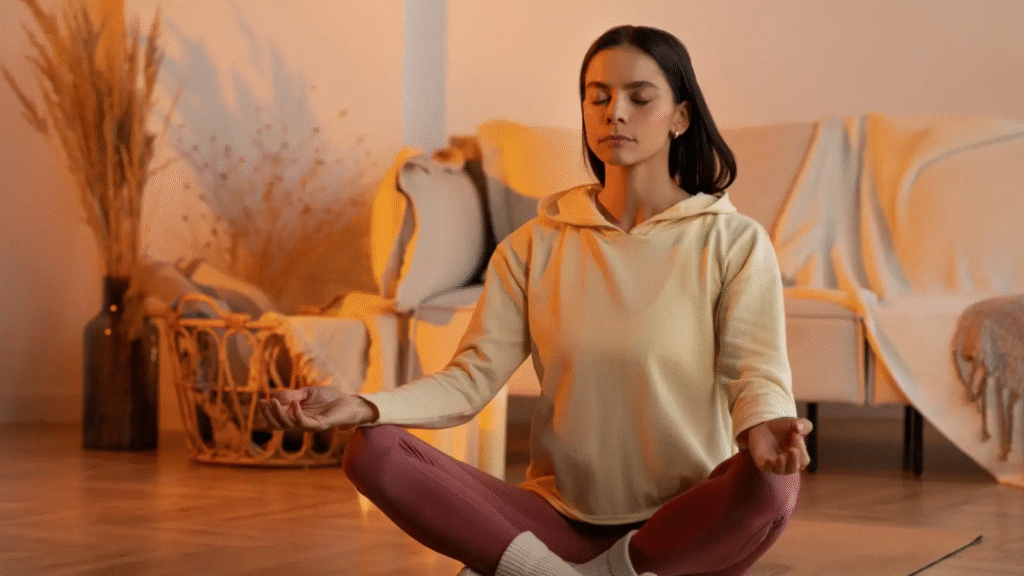
The practice does not require any specific religion or belief system. Anyone can practice antarvafna regardless of age, profession, culture, or background.
The Meaning Behind Antarvafna
The concept of antarvafna goes much deeper than simply thinking about yourself.
It includes several important dimensions.
Self-awareness
Understanding your emotions, habits, motivations, and reactions.
Emotional observation
Recognizing feelings without suppressing or exaggerating them.
Mental clarity
Seeing thoughts objectively rather than becoming controlled by them.
Inner balance
Finding peace even during stressful situations.
Personal wisdom
Learning from your own experiences instead of repeating unhealthy patterns.
Together, these elements create a powerful foundation for personal growth.
Also Read: Bjudlunch: The Meaning, Culture, Etiquette, Benefits, and Modern Uses
Why Antarvafna Matters More Than Ever
Modern society rewards speed.
People are encouraged to multitask, stay constantly connected, and achieve more every day.
Unfortunately, this constant activity often reduces opportunities for quiet reflection.
Without inner awareness, many people experience:
- Emotional exhaustion
- Anxiety
- Poor decision-making
- Relationship conflicts
- Low self-confidence
- Burnout
- Difficulty managing stress
Antarvafna offers a healthier alternative.
Instead of reacting automatically, individuals learn to pause, observe, understand, and respond thoughtfully.
This small difference can completely transform everyday life.
The Core Principles of Antarvafna
Understanding antarvafna becomes easier when broken into several guiding principles.
Awareness Without Judgment
One of the biggest lessons of antarvafna is observing yourself without criticism.
Instead of saying:
“I should not feel angry.”
You simply notice:
“I am experiencing anger.”
This creates emotional space instead of emotional resistance.
Acceptance
Acceptance does not mean giving up.
It means recognizing reality before trying to improve it.
You cannot change what you refuse to acknowledge.
Presence
Antarvafna encourages living in the present moment instead of becoming trapped in memories or future worries.
Presence creates mental clarity.
Curiosity
Rather than criticizing yourself, become curious.
Ask questions like:
Why did I react that way?
What emotion am I feeling?
What belief influenced my decision?
Curiosity leads to wisdom.
Growth
The goal is continuous improvement rather than perfection.
Every observation becomes an opportunity to learn.
Antarvafna and Modern Psychology
Although antarvafna is often described using philosophical language, many of its principles align with modern psychology.
Psychologists emphasize:
- Emotional awareness
- Self-reflection
- Cognitive awareness
- Mindfulness
- Emotional regulation
These evidence-based practices support mental well-being.
Antarvafna naturally combines these ideas into a practical lifestyle.
Instead of treating emotions as problems, it encourages understanding them.
Antarvafna vs Meditation
Many people assume antarvafna simply means meditation.
They are closely related but not identical.
Meditation is a structured practice.
Antarvafna is an ongoing way of living.
Meditation may help develop antarvafna, but inner awareness can continue throughout the day.
For example:
While driving
Notice frustration.
While working
Observe stress.
While speaking
Pay attention to your emotions.
While resting
Notice your breathing.
In this way, antarvafna becomes a continuous practice.
Antarvafna and Mindfulness
Mindfulness focuses on present awareness.
Antarvafna includes mindfulness but expands beyond it.
Mindfulness asks:
“What is happening now?”
Antarvafna asks:
“What is happening within me, and what can I learn from it?”
This deeper reflection encourages lasting personal development.
The Science Behind Inner Awareness
Researchers continue discovering how self-awareness improves mental health.
Regular self-reflection has been associated with:
- Better emotional regulation
- Improved focus
- Greater resilience
- Reduced stress
- Better communication
- Improved leadership
- Higher emotional intelligence
These findings support many of the practical benefits associated with antarvafna.
Benefits of Practicing Antarvafna
Better Emotional Intelligence
Understanding your emotions helps you understand others more effectively.
This strengthens relationships.
Reduced Stress
When people observe thoughts calmly, stressful situations become easier to manage.
Improved Decision-Making
Instead of reacting emotionally, people make thoughtful choices.
Stronger Relationships
Self-aware individuals communicate more honestly and compassionately.
Greater Confidence
Knowing yourself creates authentic confidence instead of relying on external approval.
Increased Creativity
A quieter mind often generates more creative ideas.
Personal Growth
Every challenge becomes a learning opportunity.
Antarvafna in Daily Life
Many people imagine inner awareness requires hours of meditation.
Actually, it can become part of ordinary routines.
Morning
Observe your first thoughts.
During meals
Eat slowly.
Notice taste, hunger, and gratitude.
At work
Notice stress before it becomes overwhelming.
During conversations
Listen carefully instead of preparing your next response.
Before sleeping
Reflect on the day without judgment.
These small habits gradually strengthen antarvafna.
Daily Antarvafna Practice
Developing inner awareness takes consistency.
A simple routine may include:
Step 1
Sit quietly for five minutes.
Step 2
Focus on your breathing.
Step 3
Observe thoughts without chasing them.
Step 4
Notice emotions.
Step 5
Ask yourself:
“What am I truly feeling?”
Step 6
Accept whatever appears.
Step 7
Write your observations in a journal.
Repeating this daily builds long-term awareness.
Antarvafna and Emotional Healing
Many emotions remain hidden because people stay busy.
Antarvafna creates space for healing.
Instead of avoiding sadness, fear, or disappointment, individuals gently acknowledge these emotions.
Awareness often reduces emotional intensity.
Healing begins with honest observation.
Antarvafna in Relationships
Healthy relationships begin with self-awareness.
Before understanding another person, it helps to understand yourself.
Antarvafna improves:
- Listening skills
- Patience
- Empathy
- Honest communication
- Conflict resolution
- Forgiveness
When people know their emotional triggers, arguments become less destructive.
Also Read: Cellulogia: The Uses, Benefits, Ingredients, Results, Safety, and Where to Buy Online
Antarvafna in Leadership
Great leaders possess more than technical knowledge.
They understand themselves.
Leaders practicing antarvafna often demonstrate:
- Calm decision-making
- Emotional balance
- Better communication
- Ethical leadership
- Stronger teamwork
Self-awareness improves organizational culture.
Antarvafna in Education
Students benefit from inner awareness by learning to manage:
- Academic pressure
- Test anxiety
- Social stress
- Motivation
- Concentration
Schools increasingly recognize emotional learning alongside academic achievement.
Antarvafna supports both.
Antarvafna in the Workplace
Professional success depends on more than skills.
Inner awareness improves:
- Productivity
- Focus
- Collaboration
- Creativity
- Stress management
- Leadership potential
Employees who understand themselves often adapt more effectively to change.
Antarvafna and Mental Wellness
Mental wellness is not simply the absence of illness.
It includes emotional stability, resilience, and healthy thinking.
Antarvafna contributes by helping individuals:
- Recognize unhealthy thought patterns
- Understand emotional triggers
- Respond calmly to challenges
- Build healthy habits
- Improve self-compassion
While antarvafna can support mental well-being, it is not a replacement for professional medical or psychological care when someone is experiencing serious mental health conditions.
Common Obstacles When Practicing Antarvafna
Many beginners experience challenges.
Restless thoughts
A busy mind is normal.
Practice patience.
Self-judgment
Observe without criticizing yourself.
Lack of consistency
Small daily practice works better than occasional long sessions.
Expecting immediate results
Growth happens gradually.
Avoiding uncomfortable emotions
Healing requires honesty.
Practical Exercises for Developing Antarvafna
Five-Minute Breathing
Sit comfortably.
Observe each breath.
Return attention whenever the mind wanders.
Emotion Check-In
Several times each day ask:
What am I feeling?
Why?
Journaling
Write honestly for ten minutes.
Do not edit yourself.
Gratitude Reflection
List three positive experiences every evening.
Silent Observation
Spend five minutes without your phone or distractions.
Simply observe your surroundings and your thoughts.
Antarvafna and Digital Life
Technology brings many advantages but also constant distractions.
Practicing antarvafna helps people develop healthier digital habits.
Examples include:
- Taking breaks from social media
- Turning off unnecessary notifications
- Spending quiet time without screens
- Reflecting before responding online
- Using technology intentionally instead of automatically
These habits improve both productivity and emotional well-being.
Antarvafna and Personal Success
Many people define success through money or career achievements.
Antarvafna introduces another perspective.
Real success also includes:
- Inner peace
- Emotional resilience
- Healthy relationships
- Meaningful purpose
- Personal integrity
- Lifelong learning
External achievements become more fulfilling when supported by inner awareness.
My Perspective: Why Antarvafna Is Becoming Increasingly Relevant
One reason antarvafna deserves more attention is that modern society often teaches people how to achieve goals but not how to understand themselves.
This creates a gap between external success and internal satisfaction.
Antarvafna fills that gap.
Rather than promoting constant self-improvement based on comparison, it encourages genuine self-understanding. In my view, this makes antarvafna especially valuable because sustainable personal growth begins with honest awareness rather than endless self-criticism.
Another important insight is that antarvafna is not about becoming detached from life. Instead, it helps people participate more fully in life by responding thoughtfully instead of reacting impulsively.
This balanced approach makes antarvafna practical for families, professionals, students, entrepreneurs, and anyone seeking a healthier relationship with themselves.
Misconceptions About Antarvafna
Several myths prevent people from exploring antarvafna.
Myth: It requires hours of meditation.
Reality: Even a few mindful minutes each day can help.
Myth: It belongs to one religion.
Reality: Antarvafna is a universal practice of self-awareness.
Myth: Only calm people can practice it.
Reality: Busy and stressed individuals often benefit the most.
Myth: It means ignoring emotions.
Reality: Antarvafna encourages understanding emotions, not avoiding them.
Myth: Results happen immediately.
Reality: Like any valuable skill, inner awareness grows through consistent practice.
The Future of Antarvafna
As conversations about mental wellness, emotional intelligence, and mindful leadership continue to grow, concepts like antarvafna are likely to become increasingly important.
Future applications may include:
- Workplace wellness programs
- Leadership development
- School emotional learning programs
- Coaching and mentoring
- Personal productivity systems
- Digital wellness initiatives
- Preventive mental health education
Rather than being viewed as an abstract philosophy, antarvafna may become recognized as an essential life skill.
How Beginners Can Start Today
Starting antarvafna does not require expensive courses or special equipment.
Aalso Read: Streemaus: The Modern Digital Streaming Platform for Live and On-Demand Content
Begin with these simple habits:
- Spend five quiet minutes each morning.
- Observe your thoughts without judging them.
- Notice your emotions during the day.
- Keep a daily reflection journal.
- Practice gratitude before sleeping.
- Reduce unnecessary digital distractions.
- Reflect on your actions with kindness instead of criticism.
- Continue learning about emotional intelligence and mindfulness.
Consistency matters more than perfection.
Final Thoughts
Antarvafna is much more than a concept of inner reflection. It represents a practical approach to living with greater awareness, emotional balance, and personal wisdom. By turning attention inward, people gain a deeper understanding of their thoughts, emotions, motivations, and behaviors. This understanding creates stronger relationships, better decisions, healthier emotional responses, and a more meaningful life.
In an age filled with constant distractions, antarvafna reminds us that the most important journey is often the one within. It teaches that true growth begins not by changing the world around us first, but by understanding ourselves more clearly.
Whether practiced for five minutes a day or integrated into every aspect of life, antarvafna offers lasting value. It is not about becoming perfect. It is about becoming more aware, more compassionate, and more intentional with every thought, choice, and action.
For anyone seeking greater clarity, resilience, and inner peace, antarvafna provides a timeless path toward personal transformation.
Frequently Asked Questions About Antarvafna
Is antarvafna suitable for beginners?
Yes. Antarvafna is simple enough for beginners because it starts with observing your thoughts and emotions without judgment. No previous experience with meditation or mindfulness is required.
Can children practice antarvafna?
Yes. Children can develop age-appropriate self-awareness through simple breathing exercises, gratitude practices, and guided reflection. These habits can improve emotional regulation and confidence.
How long does it take to notice the benefits of antarvafna?
Some people experience greater calm within a few days of consistent practice, while deeper changes in emotional awareness and decision-making usually develop over several weeks or months.
Can antarvafna improve creativity?
Yes. By reducing mental clutter and encouraging clear thinking, antarvafna often helps people generate fresh ideas and approach problems with greater creativity.
Is journaling necessary for antarvafna?
No. Journaling is helpful but optional. Some people prefer silent reflection, mindful walking, or breathing exercises to strengthen their inner awareness.
Can antarvafna be practiced during a busy workday?
Absolutely. You can pause for one or two minutes between meetings, take mindful breaths, or briefly check in with your emotions without interrupting your schedule.
Does antarvafna require complete silence?
No. While a quiet environment can help, experienced practitioners can develop inner awareness even in busy surroundings by focusing on their thoughts and breathing.
Can antarvafna help with life transitions?
Yes. During career changes, moving, retirement, or other major life events, antarvafna can provide clarity, reduce emotional overwhelm, and support thoughtful decision-making.
Is antarvafna connected to emotional intelligence?
Yes. Antarvafna strengthens emotional intelligence by improving self-awareness, emotional regulation, empathy, and interpersonal communication.
How can I make antarvafna a lifelong habit?
Start small, practice consistently, avoid judging your progress, and integrate moments of self-reflection into your daily routine. Over time, antarvafna becomes a natural part of the way you think, respond, and grow.