


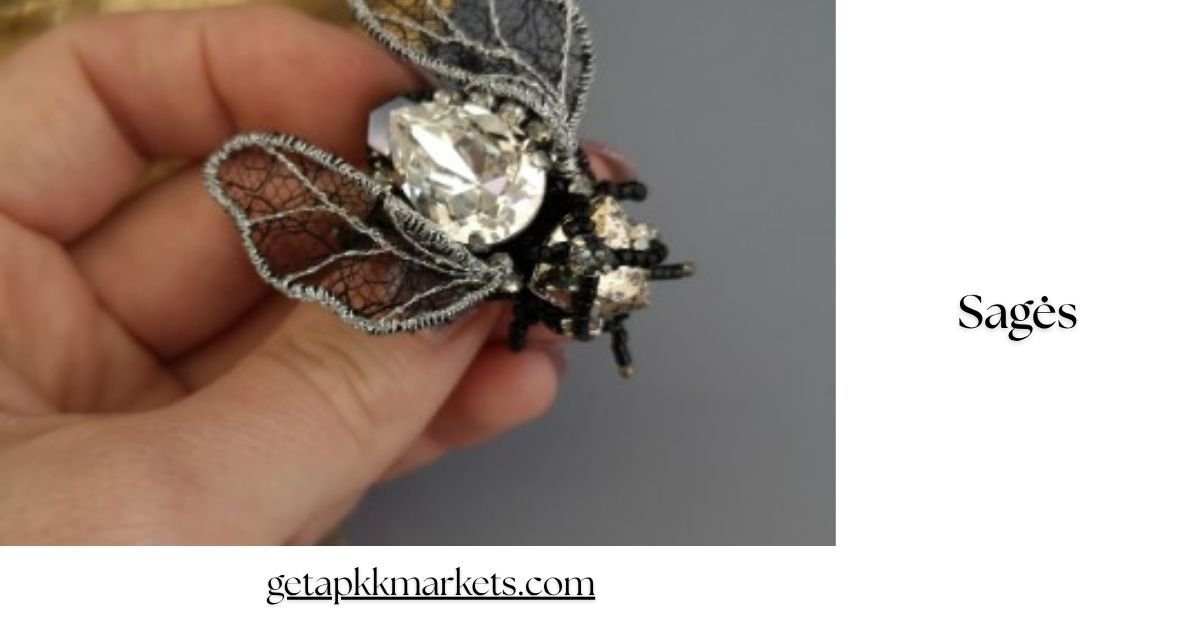
Sagės are much more than decorative accessories. They have been part of human fashion and culture for thousands of years, serving both practical and artistic purposes. While many people think of a sagė simply as a brooch or decorative pin, these beautiful accessories represent craftsmanship, tradition, personality, and timeless style.
Today, sagės are making a strong comeback in the fashion industry. Designers are reinventing classic brooches with modern materials, creative designs, and versatile styling options. From luxury fashion houses to handmade artisan collections, sagės continue to attract people of all ages.
Whether you want to add elegance to formal clothing, personalize everyday outfits, or collect vintage jewelry, understanding sagės helps you appreciate their lasting beauty and value.
This comprehensive guide explores everything you need to know about sagės, including their fascinating history, different styles, materials, fashion trends, buying tips, maintenance, and future in modern fashion.
What Are Sagės?
The word “sagės” refers to decorative brooches or ornamental pins that are attached to clothing, scarves, hats, handbags, or other accessories. Although they originally served as practical fasteners to hold garments together, today’s sagės are primarily worn for fashion and self-expression.
Modern sagės come in countless designs, including:
- Floral patterns
- Animal-inspired designs
- Geometric shapes
- Vintage Victorian styles
- Minimalist metal pins
- Luxury gemstone brooches
- Personalized custom pieces
- Cultural and symbolic designs
Unlike many jewelry pieces that remain hidden beneath clothing, sagės are meant to stand out. They instantly become the centerpiece of an outfit.
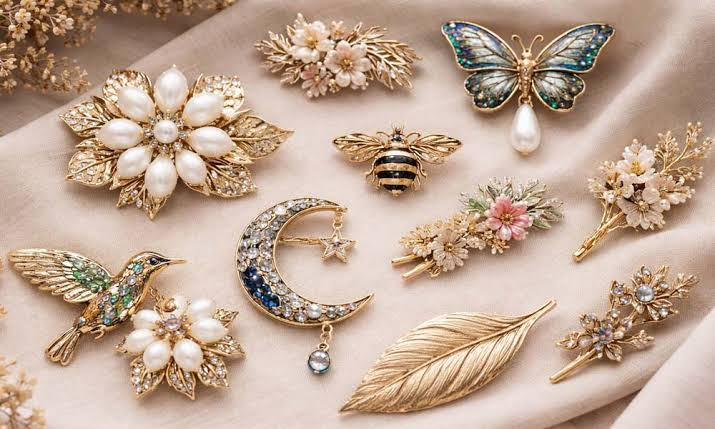
The Fascinating History of Sagės
The story of sagės stretches back thousands of years.
Ancient civilizations discovered that decorative pins could both secure clothing and display social status. Archaeologists have found early brooches made from bone, bronze, iron, and precious metals across Europe, Asia, and the Middle East.
As societies evolved, so did the craftsmanship behind sagės.
During the Roman Empire, brooches became symbols of wealth and authority. Soldiers, nobles, and government officials often wore unique designs that reflected their rank.
In the Middle Ages, sagės became increasingly elaborate. Goldsmiths crafted intricate pieces featuring religious symbols, precious stones, pearls, and colorful enamel.
By the Victorian Era, brooches reached new artistic heights. Nature-inspired themes became especially popular, including butterflies, flowers, birds, vines, and leaves. Many Victorian sagės also carried sentimental meanings, often gifted between loved ones.
The twentieth century introduced industrial manufacturing, making beautiful sagės affordable for more people. Fashion icons, celebrities, and royal families helped keep brooches popular through changing trends.
Today, sagės combine traditional craftsmanship with innovative design techniques, offering something for every fashion preference.
Why Sagės Remain Popular Today
Fashion trends constantly change, yet sagės continue to remain relevant.
Also Read: What Is Simbramento? A Complete Guide to Its Meaning, Origins, Uses, and Growing Interest
Several reasons explain their lasting popularity.
Timeless Elegance
Unlike trend-driven accessories, sagės never truly go out of style. A well-designed brooch can complement clothing for decades.
Versatility
Few jewelry pieces are as versatile.
A single sagė can be worn on:
- Jackets
- Sweaters
- Dresses
- Blazers
- Scarves
- Hats
- Handbags
- Backpacks
- Wedding gowns
- Evening wear
This flexibility makes sagės an excellent investment.
Personal Expression
Many people choose sagės that reflect their hobbies, beliefs, personalities, or memories.
Some examples include:
- Animal lovers wearing bird brooches
- Teachers wearing apple designs
- Music enthusiasts choosing musical note pins
- Travelers collecting destination-inspired sagės
Each piece tells a personal story.
Vintage Appeal
Vintage fashion has become increasingly popular.
Classic sagės fit perfectly within this movement, adding authenticity and elegance to modern wardrobes.
Different Types of Sagės
There are countless varieties of sagės available today.
Understanding these styles helps buyers choose pieces that suit their taste.
Classic Metal Sagės
Metal brooches remain among the most popular choices.
Common materials include:
- Sterling silver
- Gold
- Rose gold
- Brass
- Copper
- Stainless steel
These pieces often feature polished finishes and elegant detailing.
Gemstone Sagės
Gemstone brooches combine luxury with sophistication.
Popular stones include:
- Sapphire
- Emerald
- Ruby
- Diamond
- Garnet
- Amethyst
- Opal
- Pearl
Some designs use natural gemstones, while others feature high-quality crystals.
Floral Sagės
Flower-inspired designs never lose popularity.
Common flowers include:
- Roses
- Tulips
- Orchids
- Sunflowers
- Lilies
- Daisies
These styles work beautifully for weddings, spring outfits, and formal occasions.
Animal-Themed Sagės
Nature continues to inspire jewelry designers.
Popular animal designs include:
- Butterflies
- Bees
- Owls
- Cats
- Dogs
- Horses
- Dragonflies
- Peacocks
- Swans
Each carries unique symbolic meanings.
Vintage Sagės
Collectors often seek antique and vintage pieces.
These may include:
- Victorian brooches
- Edwardian designs
- Art Nouveau styles
- Art Deco jewelry
- Mid-century modern brooches
Vintage sagės often appreciate in value over time.
Minimalist Sagės
Modern fashion has embraced simplicity.
Minimalist brooches feature:
- Clean lines
- Geometric patterns
- Matte finishes
- Small sizes
- Neutral colors
These pieces suit professional wardrobes perfectly.
Custom Sagės
Personalized jewelry continues to grow in popularity.
Custom options include:
- Initials
- Family crests
- Company logos
- Birthstones
- Personalized messages
- Handmade artwork
These unique designs often become treasured keepsakes.
Materials Used to Create Sagės
The material significantly affects appearance, durability, and price.
Gold
Gold remains one of the most prestigious materials.
Advantages include:
- Excellent durability
- Timeless beauty
- High resale value
- Resistance to tarnishing
Silver
Sterling silver offers luxury at a more affordable price.
It pairs well with nearly every wardrobe style.
Brass
Brass provides a vintage appearance while remaining budget-friendly.
Many handcrafted sagės use brass because it is easy to shape into detailed designs.
Stainless Steel
Modern stainless steel brooches offer exceptional durability.
They resist:
- Rust
- Corrosion
- Scratches
This makes them ideal for daily wear.
Wood
Handmade wooden sagės provide natural charm.
Artists carve intricate designs into various wood species before applying protective finishes.
Resin
Resin allows designers to create colorful, artistic brooches featuring flowers, glitter, pigments, and abstract art.
Enamel
Enamel adds vibrant color through a durable glass-like coating.
Many modern designer sagės use enamel for eye-catching designs.
Also Read: Renteaza: The Complete Guide to Romania’s First Peer-to-Peer Car Rental Platform
How Designers Create Beautiful Sagės
Creating a high-quality sagė involves multiple stages.
Most professional designers follow a process similar to this:
- Sketch the concept.
- Select materials.
- Shape the base.
- Add decorative details.
- Attach gemstones or enamel.
- Polish the surface.
- Install the fastening mechanism.
- Perform quality inspection.
Handmade sagės may require several days to complete, depending on their complexity.
Popular Fashion Trends Featuring Sagės
Fashion designers have embraced brooches once again.
Today’s styling trends include:
Layered Brooch Styling
Instead of wearing only one brooch, fashion experts now recommend layering multiple sagės together.
Different sizes create visual interest.
Oversized Statement Pieces
Large brooches serve as the focal point of minimalist outfits.
One oversized sagė can transform a simple blazer into an elegant fashion statement.
Mixed Materials
Modern designers combine:
- Metal
- Leather
- Fabric
- Pearls
- Acrylic
- Wood
This creates fresh, contemporary designs.
Gender-Neutral Fashion
Sagės are no longer limited to women’s fashion.
Men increasingly wear decorative pins on:
- Suit lapels
- Jackets
- Hats
- Bags
- Ties
Luxury fashion brands continue introducing gender-inclusive collections.
How to Choose the Right Sagės
Buying the perfect sagė depends on several factors.
Consider Your Wardrobe
Choose colors and materials that complement your existing clothing.
Neutral metals match almost everything.
Think About the Occasion
Formal events may call for elegant gemstone brooches.
Casual outfits often look best with playful or minimalist designs.
Pay Attention to Size
Large statement pieces work well on coats and jackets.
Smaller brooches are ideal for shirts and scarves.
Quality Matters
Inspect:
- Pin mechanism
- Material strength
- Stone security
- Finish quality
- Weight balance
A well-made sagė lasts for many years.
Creative Ways to Wear Sagės
Fashion has expanded far beyond the traditional lapel placement.
Modern stylists recommend using sagės on:
- Coat collars
- Sweater shoulders
- Shirt collars
- Belt buckles
- Waistbands
- Scarves
- Hats
- Handbags
- Evening clutches
- Hair accessories
- Wedding bouquets
- Decorative ribbons
Thinking creatively allows one accessory to serve many different purposes.
How to Care for Sagės Properly
Taking good care of your sagės helps preserve their beauty and value for many years. Whether you own a simple everyday brooch or an expensive heirloom, proper maintenance prevents scratches, tarnish, and loose stones.
Store Each Piece Separately
One of the biggest mistakes people make is placing several jewelry items in the same box. Metal pieces can rub against each other, causing scratches and damaging delicate finishes.
Instead:
- Use a soft jewelry pouch.
- Store each sagė in its own compartment.
- Keep gemstone brooches away from harder metals.
- Use anti-tarnish strips for silver jewelry.
Keep Them Dry
Moisture is one of the biggest enemies of jewelry.
Always remove your sagės before:
- Swimming
- Showering
- Exercising
- Visiting a sauna
Even high-quality metals can lose their shine after repeated exposure to moisture.
Clean Gently
Most sagės only require light cleaning.
Use:
- A soft microfiber cloth
- Warm water
- Mild soap when necessary
Avoid harsh chemicals because they can damage enamel, gemstones, and protective coatings.
Inspect the Pin Regularly
The fastening mechanism should remain secure.
Check for:
- Loose hinges
- Bent pins
- Weak clasps
- Missing locking parts
Repairing small issues early prevents losing your favorite brooch.
How to Buy High-Quality Sagės
With so many options available online and in stores, choosing the right sagė can seem overwhelming. Understanding quality indicators makes shopping much easier.
Check the Material
Good-quality sagės are usually made from durable materials such as:
- Sterling silver
- Solid gold
- Stainless steel
- Brass
- High-quality bronze
Avoid products made entirely from very thin or fragile metals if you plan to wear them frequently.
Look at the Finish
A quality brooch should have:
- Smooth edges
- Even polishing
- Secure decorations
- No visible glue
- Balanced construction
Small details often reveal the level of craftsmanship.
Evaluate the Fastener
The pin should open and close smoothly without feeling loose.
A secure clasp protects the brooch from accidentally falling off your clothing.
Read Customer Reviews
When buying online, customer feedback provides valuable insights about:
- Durability
- Material quality
- Accurate sizing
- Packaging
- Overall satisfaction
Reviews often highlight strengths and weaknesses that product descriptions overlook.
Handmade vs. Machine-Made Sagės
Both handmade and factory-produced sagės have advantages. Choosing between them depends on your personal preferences and budget.
Handmade Sagės
Handcrafted pieces often feature exceptional attention to detail.
Benefits include:
- Unique designs
- Individual craftsmanship
- Better artistic value
- Limited production
- Personal character
Many artisans spend several hours creating a single brooch.
Because no two handmade pieces are exactly alike, they often become treasured collectibles.
Machine-Made Sagės
Factory-made brooches offer consistency and affordability.
Advantages include:
- Lower prices
- Consistent quality
- Large selection
- Easier replacement
- Widely available
For everyday fashion, machine-made sagės often provide excellent value.
The Cultural Importance of Sagės Around the World
Throughout history, sagės have represented much more than decorative accessories.
Different cultures have used brooches to symbolize identity, family, achievement, religion, and tradition.
In many European countries, decorative brooches became family heirlooms passed from one generation to another.
Traditional folk costumes frequently include beautifully designed sagės that reflect regional heritage.
Some cultures wear symbolic brooches during:
- Weddings
- Religious ceremonies
- National celebrations
- Graduation events
- Family gatherings
These traditions continue today, connecting modern fashion with centuries of history.
Sagės as Meaningful Gifts
A beautiful sagė makes an excellent gift because it combines elegance with lasting sentimental value.
Unlike flowers or chocolates, a brooch can be worn for decades and often becomes associated with special memories.
Popular occasions include:
- Birthdays
- Mother’s Day
- Anniversaries
- Weddings
- Graduations
- Retirement celebrations
- Christmas
- Valentine’s Day
Personalized designs featuring initials, birthstones, or meaningful symbols make especially thoughtful presents.
Why Vintage Sagės Continue to Increase in Popularity
Vintage jewelry has experienced remarkable growth over the past decade.
Collectors appreciate vintage sagės because they often offer craftsmanship rarely found in mass-produced modern jewelry.
Reasons collectors love vintage pieces include:
- Historical significance
- Unique artistic styles
- Limited availability
- Investment potential
- Superior craftsmanship
Many vintage brooches feature hand-cut stones and detailed metalwork that would be expensive to reproduce today.
Modern Fashion Trends for Sagės
Fashion trends continue evolving, and sagės remain surprisingly relevant.
Some of today’s most popular styles include:
Minimal Luxury
Simple gold or silver brooches pair beautifully with business attire.
Their understated appearance adds sophistication without overwhelming an outfit.
Nature-Inspired Designs
Designers increasingly use themes inspired by nature.
Popular motifs include:
- Butterflies
- Bees
- Trees
- Leaves
- Wildflowers
- Ocean waves
- Birds
These timeless designs appeal to people of all ages.
Pearl Brooches
Pearls have returned to mainstream fashion.
Pearl sagės complement:
- Wedding dresses
- Evening gowns
- Formal jackets
- Elegant blouses
They create a classic appearance that never feels outdated.
Colorful Enamel Designs
Bright enamel finishes attract younger buyers seeking playful accessories.
These designs add personality to casual outfits while remaining affordable.
How Sagės Support Sustainable Fashion
Sustainability has become an important part of today’s fashion industry.
Sagės naturally fit this movement because they encourage people to refresh existing wardrobes instead of constantly purchasing new clothing.
A single brooch can transform:
- An old blazer
- A plain sweater
- A simple dress
- A scarf
- A handbag
This extends the life of clothing and reduces unnecessary waste.
Vintage and handmade sagės also promote sustainable shopping by encouraging reuse and supporting independent artisans.
Common Mistakes People Make When Wearing Sagės
Even experienced jewelry lovers sometimes make avoidable mistakes.
Choosing the Wrong Size
Large brooches may overwhelm lightweight fabrics.
Small sagės can disappear on thick winter coats.
Matching the accessory size to the clothing creates a balanced appearance.
Ignoring Fabric Weight
Heavy brooches can stretch delicate fabrics.
Silk, chiffon, and lightweight cotton require lighter accessories.
Overcrowding Accessories
A beautiful sagė should enhance an outfit rather than compete with multiple necklaces, oversized earrings, and large bracelets.
Keeping other accessories simple allows the brooch to become the focal point.
Poor Placement
Positioning affects the overall appearance.
Experiment with different locations before attaching the brooch permanently.
Expert Tips for Styling Sagės
Professional stylists recommend thinking creatively.
Some fashionable ideas include:
- Attach one to a winter hat.
- Decorate a handbag strap.
- Secure a scarf elegantly.
- Add personality to a denim jacket.
- Wear matching pairs on blazer lapels.
- Use one as a decorative hair accessory.
- Pin one to a ribbon on a gift package for an elegant presentation.
These small details make outfits feel unique without requiring expensive wardrobe changes.
The Future of Sagės
The future looks bright for sagės.
Several trends are shaping the next generation of decorative brooches.
Smart Jewelry
Technology companies are exploring wearable accessories that combine fashion with digital functionality.
Future sagės may include:
- NFC technology
- Digital identification
- Contactless business cards
- Health monitoring features
3D Printing
Modern manufacturing allows designers to create highly detailed brooches with greater precision and lower production costs.
This technology opens endless creative possibilities.
Personalization
Consumers increasingly seek products that reflect their individuality.
Custom-designed sagės featuring names, artwork, family symbols, and meaningful dates will likely continue growing in popularity.
Frequently Asked Questions About Sagės
What does the word “sagės” mean?
Sagės generally refers to decorative brooches or ornamental pins worn on clothing or accessories for both fashion and personal expression.
Are sagės only for formal occasions?
No. Modern sagės work well for both casual and formal outfits. Many people wear them daily on jackets, sweaters, backpacks, or scarves.
Can men wear sagės?
Absolutely. Men’s fashion increasingly includes decorative lapel pins and brooches for suits, coats, hats, and bags.
Do expensive sagės always have better quality?
Not necessarily. While premium materials can increase value, excellent craftsmanship is often more important than price alone.
Can I wear multiple sagės at the same time?
Yes. Layering several brooches has become a popular fashion trend, especially when combining different sizes and complementary designs.
How can I tell if a vintage sagė is authentic?
Look for maker’s marks, quality metal stamps, signs of age-appropriate craftsmanship, and purchase from reputable antique dealers whenever possible.
What is the best material for everyday wear?
Stainless steel, sterling silver, and quality brass offer an excellent balance of durability, appearance, and affordability.
Can sagės damage clothing?
When attached properly, most sagės are safe. However, very heavy brooches may stretch delicate fabrics, so always match the weight of the accessory to the material.
Final Thoughts
Sagės have remained a beloved accessory for centuries because they combine beauty, history, craftsmanship, and versatility. From ancient garment fasteners to today’s stylish fashion statements, these decorative brooches continue to evolve while maintaining their timeless appeal.
Whether you prefer vintage collectibles, minimalist designs, luxurious gemstone pieces, or handcrafted creations, there is a sagė to match every personality and occasion. Their ability to transform simple clothing into elegant outfits makes them one of the most practical and expressive accessories available.
As fashion increasingly embraces sustainability, personalization, and timeless design, sagės are positioned to remain an important part of modern wardrobes. Investing in a well-crafted brooch is more than buying jewelry—it’s adding a piece of wearable art that can be enjoyed for years and even passed down to future generations.
By understanding the different styles, materials, care techniques, and current trends, you can confidently choose sagės that reflect your unique style while appreciating the rich cultural heritage behind these remarkable accessories.